The Astrological Significance of Uttarayan
When we speak of Makar Sankranti in astrological terms, we’re discussing one of the most potent periods of the year. The transition into Uttarayan carries a weight that ancient texts have recognized for millennia. According to Vedic philosophy, this isn’t simply about the Sun changing position—it’s about the very nature of available grace changing.
The period of Dakshinayana, which will depart soon , is traditionally considered a time for purification and internal cleansing. However, with the arrival of Uttarayan, the focus shifts. This six-month period becomes one where the human system becomes far more receptive to higher consciousness, spiritual elevation, and enlightenment. The greatest spiritual masters have historically recognized this: Bhishma Pitamah, the revered figure from the Mahabharata, famously waited for Uttarayan before releasing his mortal coil, understanding that this celestial period facilitates the soul’s liberation.
For those engaged in spiritual practice and sadhana, this distinction is critical. The rigorous inner work performed during Dakshinayana bears fruit during Uttarayan, when what lies above the heart chakra becomes accessible for transformation. This is why so many auspicious activities—religious ceremonies, spiritual initiations, and new ventures—are timed to begin during this period.
The Sun Meets Saturn: A Cosmic Reconciliation
Perhaps one of the most fascinating aspects of Makar Sankranti from an astrological perspective is the relationship between the Sun and Saturn that manifests on this day. Capricorn, ruled by Saturn, is where the Sun takes residence. In Vedic mythology, Saturn is the son of Surya Dev (the Sun), and tradition speaks of an ancient antagonism between father and son.
Yet on Makar Sankranti, something remarkable occurs: the Sun enters Saturn’s domain not as a conqueror but as a guest. The antagonism temporarily dissolves into harmony. This celestial reconciliation carries profound meaning—it teaches us about balance between authority and humility, between ambition and discipline, between the will of the individual and the laws of karma.
When the Sun and Saturn align in this way, they create an energetic platform for grounding, responsibility, and long-term achievement. This is why activities begun during Uttarayan tend to have staying power. The combined influence encourages us to build with patience, to commit fully to our duties, and to understand that true strength comes through discipline rather than force.
The Sacred Remedies of Makar Sankranti
Understanding the astrological significance of Makar Sankranti is one thing; participating in its blessings through intentional practice is quite another. Vedic astrology provides us with specific remedies—not mere superstitions, but scientifically-grounded energetic practices that attune our consciousness to cosmic currents.
The Pre-Dawn Ritual: Rising with Brahma Muhurat
The ideal practice begins before sunrise, during Brahma Muhurat—those precious moments when the world is still, the mind is naturally clearer, and cosmic receptivity is at its peak. This early rising isn’t arbitrary; it synchronizes your physical and subtle bodies with the Sun’s transition. During this time, take a warm bath, as the warmth helps your body adjust naturally to Saturn’s stabilizing energy.
If possible, add black sesame seeds or a touch of sesame oil to your bath water. In Vedic tradition, sesame possesses remarkable properties—it absorbs positive cosmic energy and provides spiritual purification. This isn’t folklore: the combination of warm water and sesame seeds actually stimulates the nervous system and prepares you for focused practice.
Offering Arghya to the Sun
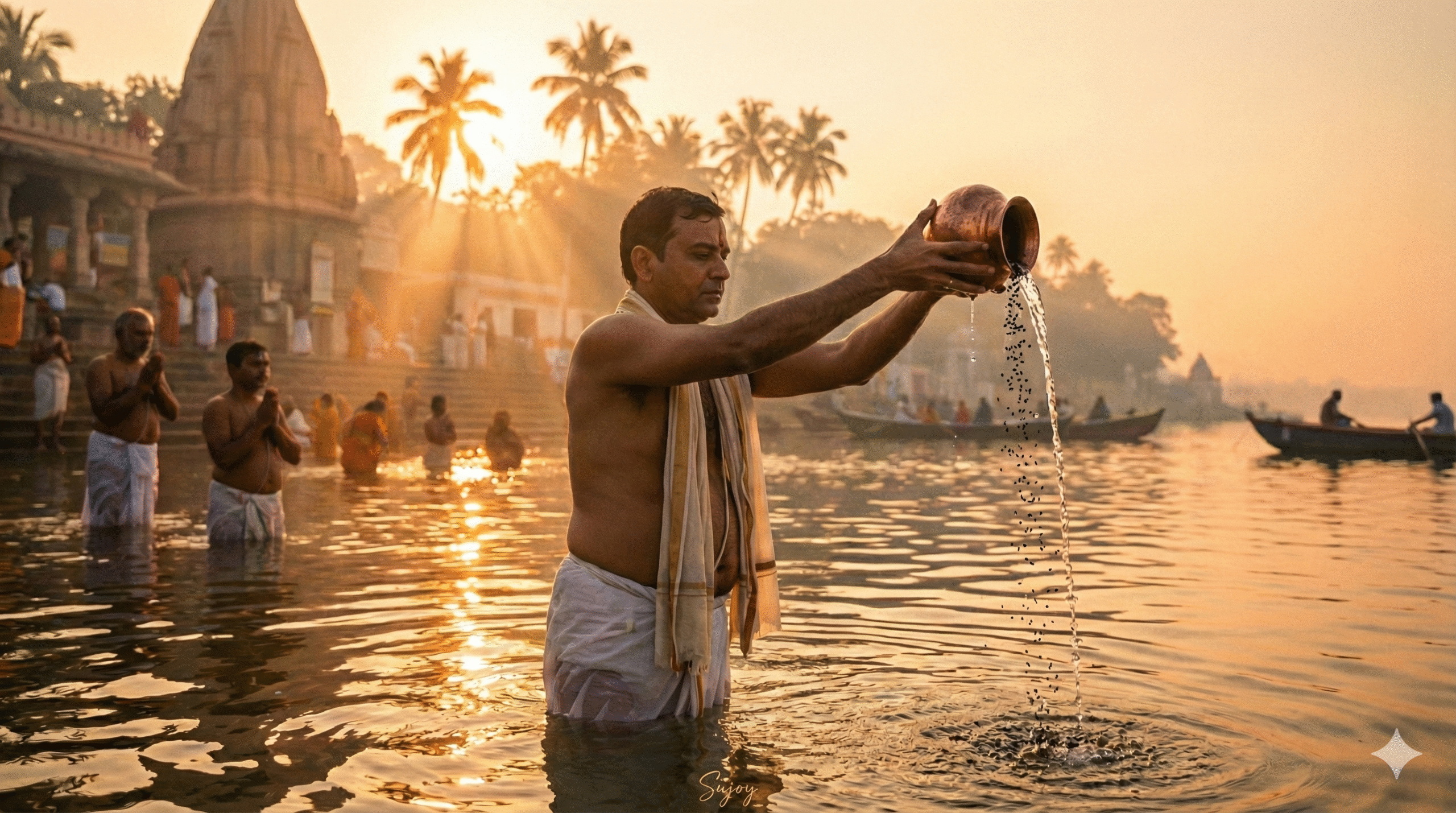
After your bath and in clean clothes, stand facing the direction of sunrise. Take a copper vessel—copper is the metal of the Sun and acts as a conductor of solar energy—and fill it with water. This water should ideally be mixed with a few black sesame seeds.
As the Sun appears on the horizon, offer the water with full intention. You might recite “Om Suryaya Namah” or, for deeper practice, the Surya Ashtakshara Mantra. The practice of offering water isn’t ceremonial theater—when done with genuine devotion, it purifies the soul and removes old karmic debts. Your eyes, when touched gently by the Sun’s rays during this practice, receive remarkable benefits. Over the following months, this single act can enhance clarity, confidence, and decision-making ability.
Mantra Recitation for Planetary Alignment
For those with Sun or Saturn afflictions in their birth chart, this day offers particular promise. Reciting the Surya Gayatri Mantra with dedication helps harmonize the Sun’s influence in your life. Some practitioners also recite the Aditya Hrudaya Stotra—a powerful hymn that invokes the Sun’s blessings across multiple dimensions of existence.
For those with specific planetary doshas involving the Sun-Saturn combination, consider performing extended japa (repetitive mantra recitation). While the traditional count is 7,000 repetitions of a Sun mantra, in our current age (Kali Yuga), this is often adjusted upward to ensure efficacy.
The Practice of Sesame Seed and Jaggery Offering
One of the most significant remedies involves the traditional offering of sesame seeds (til) and jaggery (gur). This isn’t merely about distribution; it’s about understanding the metaphysical properties of these substances.
Sesame seeds, in Vedic understanding, possess the ability to absorb negative karmic impressions. Jaggery represents sweetness, prosperity, and the removal of negativity. When combined and offered to those in genuine need, this creates a powerful karmic exchange. The giver sends out positive intent; the receiver gains nourishment and blessings. Both benefit energetically.
Consider donating til and gur to temples, to the poor, or as part of khichdi (a simple rice and lentil dish traditionally prepared on this day) distributed to those without resources. This practice simultaneously purifies your own karmic field and extends blessings to others.
The Sacred Bath in Holy Waters
If your circumstances permit, bathing in sacred rivers—particularly the Ganga—on Makar Sankranti provides unparalleled spiritual benefit. This isn’t simply about physical cleanliness; it represents a fundamental renewal of your spiritual trajectory. The act washes away old karma and attunes your subtle body to Uttarayan’s ascending energies.
For those unable to visit sacred sites, bathing with water infused with sesame seeds and, if available, a few drops of Ganga water, achieves a similar result. The intention matters profoundly here—approach this bath as a genuine act of self-purification and karmic renewal rather than mere ritual performance.
Specific Remedies for Sun-Saturn Afflictions
If your birth chart carries challenging Sun-Saturn combinations—whether through sign exchange, aspect, or conjunction—Makar Sankranti offers focused remedial opportunities:
Donate Urad Dal Khichadi prepared with ghee and served to the poor or to temples. This remedy should ideally be performed on every monthly Sankranti if possible, though at minimum on Makar Sankranti annually. The Urad (black gram) specifically addresses Saturn’s influences, while the khichdi’s warming properties support the Sun’s vitality.
Worship of Lord Shani (Saturn) alongside your solar practices acknowledges the legitimate role Saturn plays in your chart and seeks his blessings for disciplined growth rather than obstruction.
Recitation of Vishnu Sahasranama (the thousand names of Vishnu) on this day destroys negative energy patterns in your home and consciousness, bringing peace and harmony to all household members.
Charitable Acts: The Foundation of All Remedies
All these practices gain their true power through the foundation of genuine charity. Donate warm clothing to those suffering in winter’s chill. Distribute food grains—rice, wheat, lentils—to families in need. Offer sesame seeds, jaggery, blankets, or educational supplies to children.
The act of charity isn’t the remedy itself; rather, charity opens the door through which all remedies work. When you give with genuine compassion, you shift your karmic field. You demonstrate to the universe that you understand the cyclical nature of abundance: that giving returns multiplied. This shift in consciousness allows the Sun’s and Saturn’s combined blessings to penetrate your life with real transformative power.
Practical Guidelines for Makar Sankranti Practice
The auspicious window for Makar Sankranti practices extends from 9:03 AM to 5:46 PM( Please check local Panchang timings). The most powerful period, known as Maha Punyakaal, runs from 9:03 AM to 10:48 AM. During this window, all practices—bathing, offerings, donations, and mantra recitation—yield amplified results.
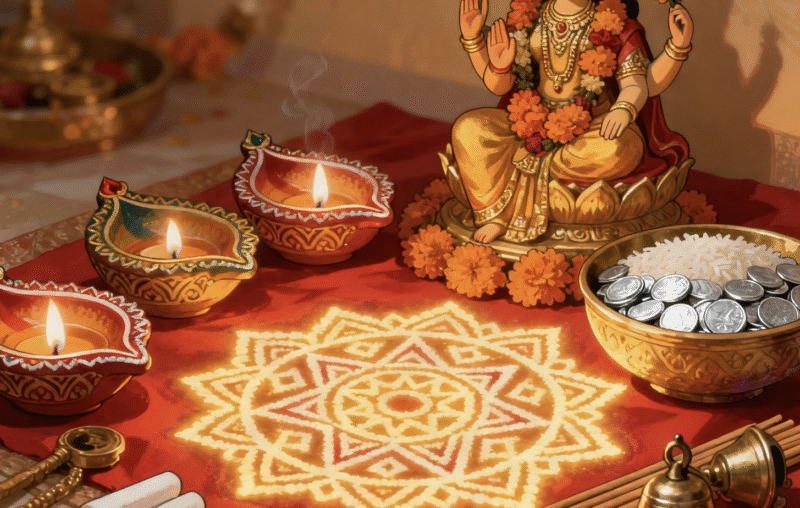
However, certain precautions deserve attention. On this day, avoid consuming tamasic (heavy or impure) foods—foods that obscure consciousness rather than elevate it. Refrain from rice, grains, onions, salt, and garlic. Avoid cooking with sesame, mustard, or soybean oil, as these may diminish the spiritual benefits of your practices.
Additionally, avoid certain donations: do not give grains (except khichdi), iron items, salt, or sharp objects. These can inadvertently increase negative energy. This isn’t superstition—in energetic terms, you’re consciously aligning your actions with Uttarayan’s upward current rather than working against it.
The Deeper Meaning: Transformation and Awakening
Beneath all these practices lies a profound truth that transcends ritual. Makar Sankranti represents humanity’s capacity for transformation. As the Sun turns northward, we too turn inward and upward—toward higher consciousness, toward the fulfillment of our deeper potential.
The festival reminds us that we are not static beings trapped by our birth charts or past karma. Yes, these shape us—but Makar Sankranti represents the annual reset button, the cosmic permission to begin anew. When millions perform similar practices on this single day, they create a collective field of intention so powerful that individual transformation becomes not just possible but natural.
The remedies work not because of magical intervention but because they align us with natural law. By rising early, by offering to the Sun, by practicing discipline, by giving to others—we embody the very qualities that Saturn and the Sun represent when working in harmony. We become living expressions of the cosmic alignment occurring above, and when the microcosm aligns with the macrocosm, transformation follows naturally.
Conclusion: Seizing the Grace of Uttarayan
Makar Sankranti arrives this January 14th, 2026, carrying the promise of Uttarayan’s ascending energy. The Sun stands ready to fertilize your consciousness with new possibilities. Saturn stands ready to provide the discipline and structure through which those possibilities can manifest as real, lasting change.
The question isn’t whether this transition will occur—it will, regardless of your participation. The real question is whether you will consciously align yourself with this cosmic gift or allow it to pass unrecognized.
Rise early. Offer water to the rising Sun. Bathe in intention and awareness. Recite your mantras with devotion. Give to those in need with an open heart. Allow the darkness of winter and the limitations of Dakshinayana to fall away, and step into the light and possibility of Uttarayan.
The cosmos is waiting. The invitation has been issued. Makar Sankranti is calling!!!